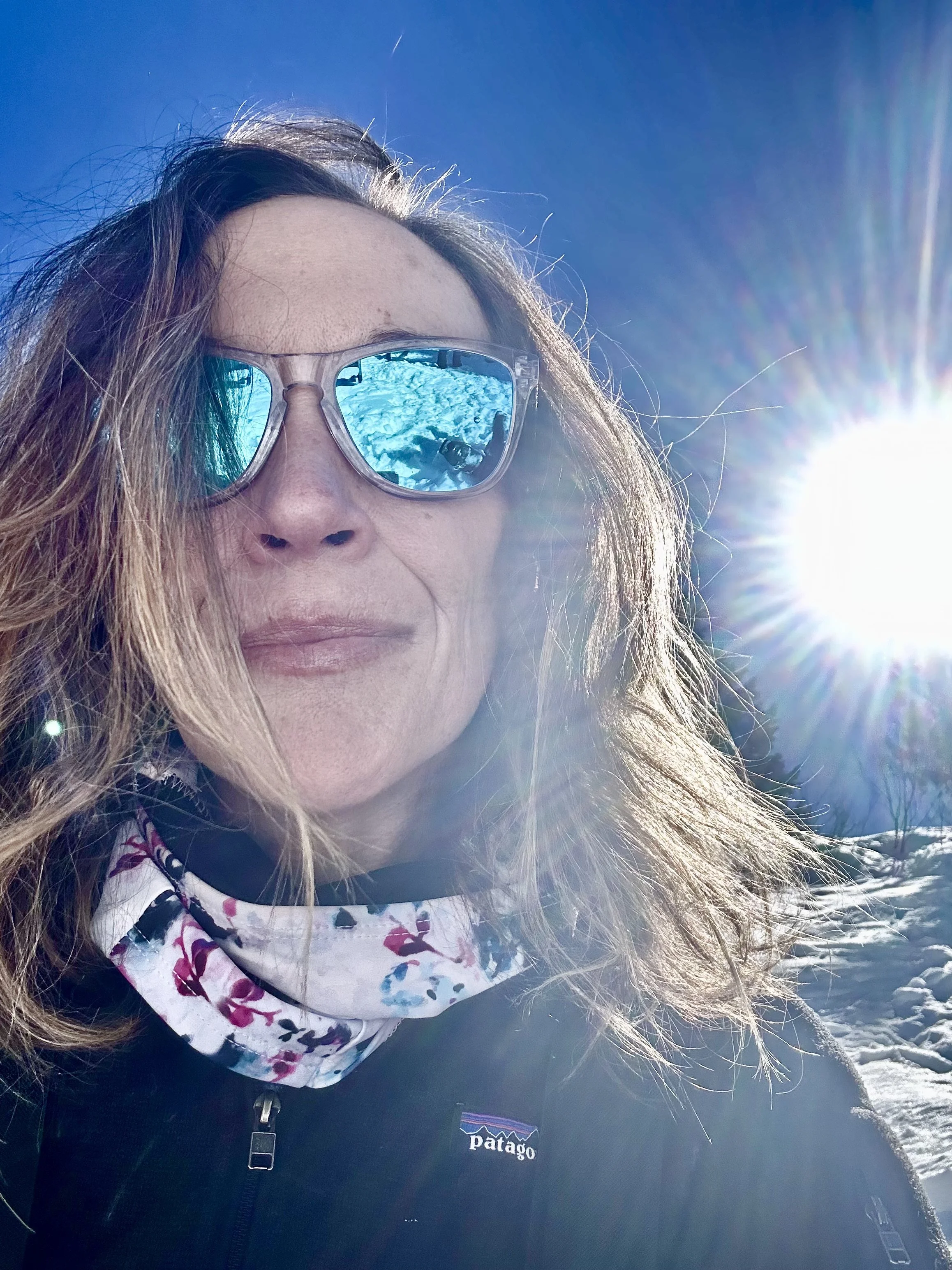
“The wound is the place where the light enters you.” ~Rumi
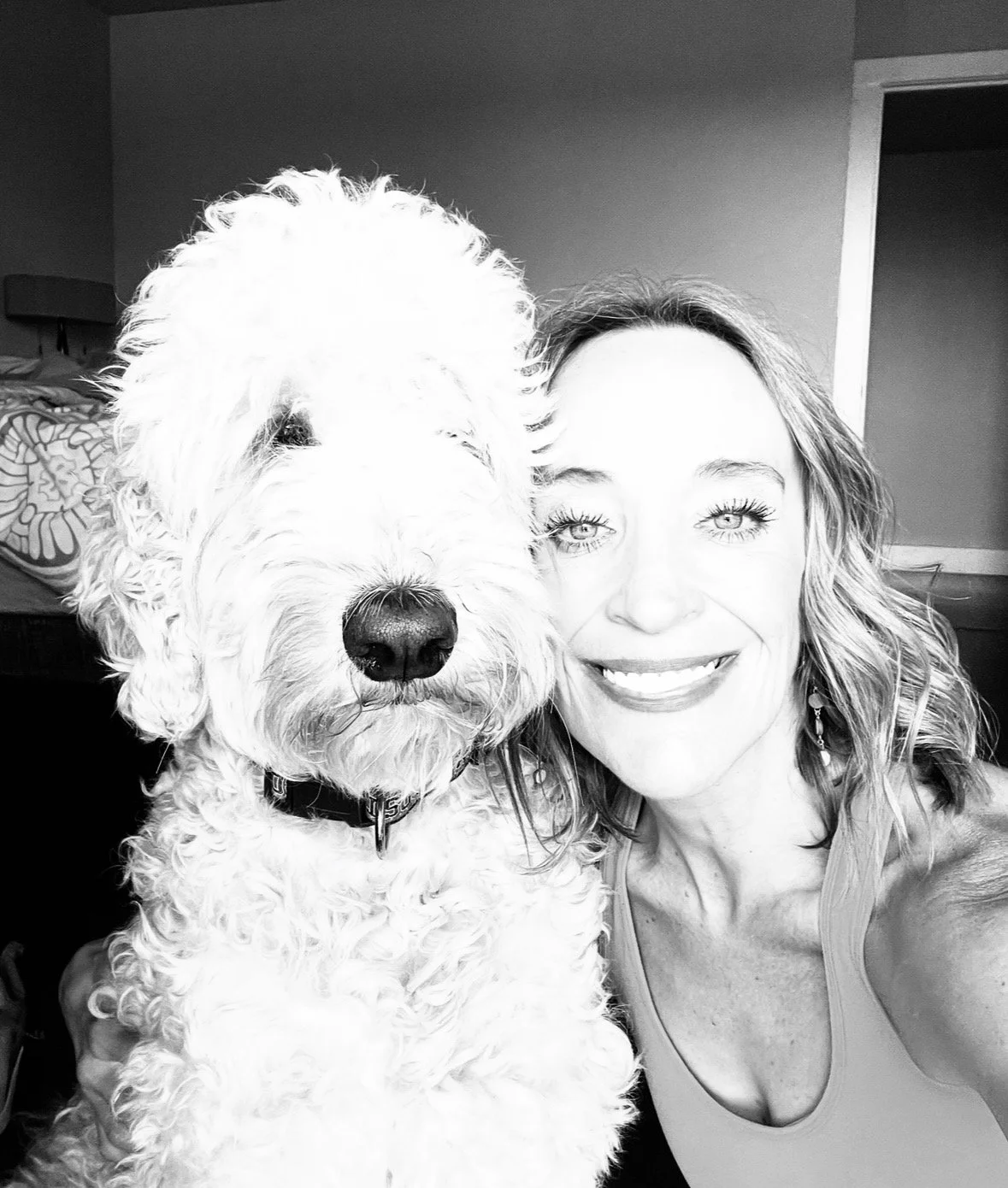
Hello, I’m Jamie,
My father was a Vietnam veteran. He never spoke about what he had been through. He didn’t have to. He wore it. His pain lived in his silence, in the way he moved across the kitchen, in the smoke of his cigarettes, and in the way he stayed up late watching footage of a war that never really ended for him. I grew up inside that.
When I was 17, I found him dead. I was the only one who saw him like that. His eyes. The stillness. The finality of it. There are moments that don’t pass through you. They stay in cells of your bloodstream and inform every belief and choice thereafter.
I was heartbroken. My father promised me he would get better, and when he didn’t, I also lost my mother when he died, her own heartbreak too consuming. We could not look into each other’s eyes without witnessing his death again and again; instead, the free fall of a shattered family persisted.
I learned early that pain didn’t get named. It got carried.
I internalized everything. His pain. My pain. My mother’s anger: My brother's role as the one who would become what my father could not: strong, capable, untouchable.
I became attuned to everyone else’s needs before my own. I learned how to read a room before I ever learned how to read myself. My body felt shifts in the energy, tension, disappointment, grief, outside of me, but I had no language for what was happening inside of me.
And somewhere in that, I disappeared. Literally. I developed a severe eating disorder because my body was not equipped to hold the vision of death and the reality that I would never say good morning or good night to the first man I ever loved. The binging and purging gave me a way to release and control the terror within.
When I finished my undergrad with a double major in English Writing and Philosophy. I found that philosophy gave me a new way to think, and writing gave me an outlet beyond the binge-and-purge cycle. But my trauma, stuck in my body.
I live with the long-term impact of that time. Like many people trying to survive pain they cannot yet process, I searched outside of myself for something that could make sense of it. I moved through relationships, roles, and identities, trying to find a place where I could finally land. Nothing quite fit because I had not yet learned how to be inside my own life.
In 2009, I stepped onto a yoga mat.
I remember being in child’s pose when the teacher said, “Trust that your mat will hold you and whatever you bring to it.” I didn’t believe much at that point, but I whispered to myself, “just trust this mat to hold you,” and something in me softened. I felt an exhale move through my body that had been held for years.
I came back the next day. And the next.
At the same time, I began therapy. Sitting on my mat and sitting on a therapist’s couch, I started to experience my life differently. I began to feel what I had spent years avoiding and to understand what my body had been communicating all along.
As I completed my first master’s degree in Gender and Communication, I began to see more clearly how identity, language, and social constructs shape the way we experience ourselves and our pain. Then, during my 200-hour Yoga Teacher Training, as I studied yoga philosophy more deeply, I could feel layers of protection beginning to fall away. The inquiry became personal, embodied, and immediate.
It became clear to me that I needed to bring these worlds together. Mind, body, language, and philosophy belong together in the work of healing. That realization shaped the direction of my life and my work.
I became both a therapist and a yoga teacher as one integrated approach to understanding and working with human experience. Pain does not live in just one place, and neither does healing.
For over a decade, I have sat with people in spaces that once felt familiar to me. Spaces where there are no easy answers, only the opportunity to begin telling the truth about what is happening inside. I have built a practice and a community where people are invited to feel, to understand, and to stay with themselves as they do.
From this lived experience, Girls on the Mat was born. It grew out of a deep recognition that emotional literacy, embodiment, and self-understanding need to begin earlier. Girls deserve a space where they can learn how to be with themselves before patterns of silence, disconnection, and self-abandonment take hold. Girls on the Mat reflects everything I have learned about pain, resilience, and the necessity of being seen and supported in both
I no longer move through the world in the same way I once did. There is still curiosity, still feeling, still listening, and a deeper sense of being rooted in my own life. What I know now is this: There is something within each of us that can hold even the parts of our lives that all at once feel unbearable. As the poet and mystic Rumi once wrote, “The wound is the place where the light enters you.” As the layers of protection began to dissolve, I broke open and found, within my own heart, the light that has guided me here, to this very moment.